Tudor Trust project
-
by
Tsuro Trust

Project Manager
Shupai Steven Majee
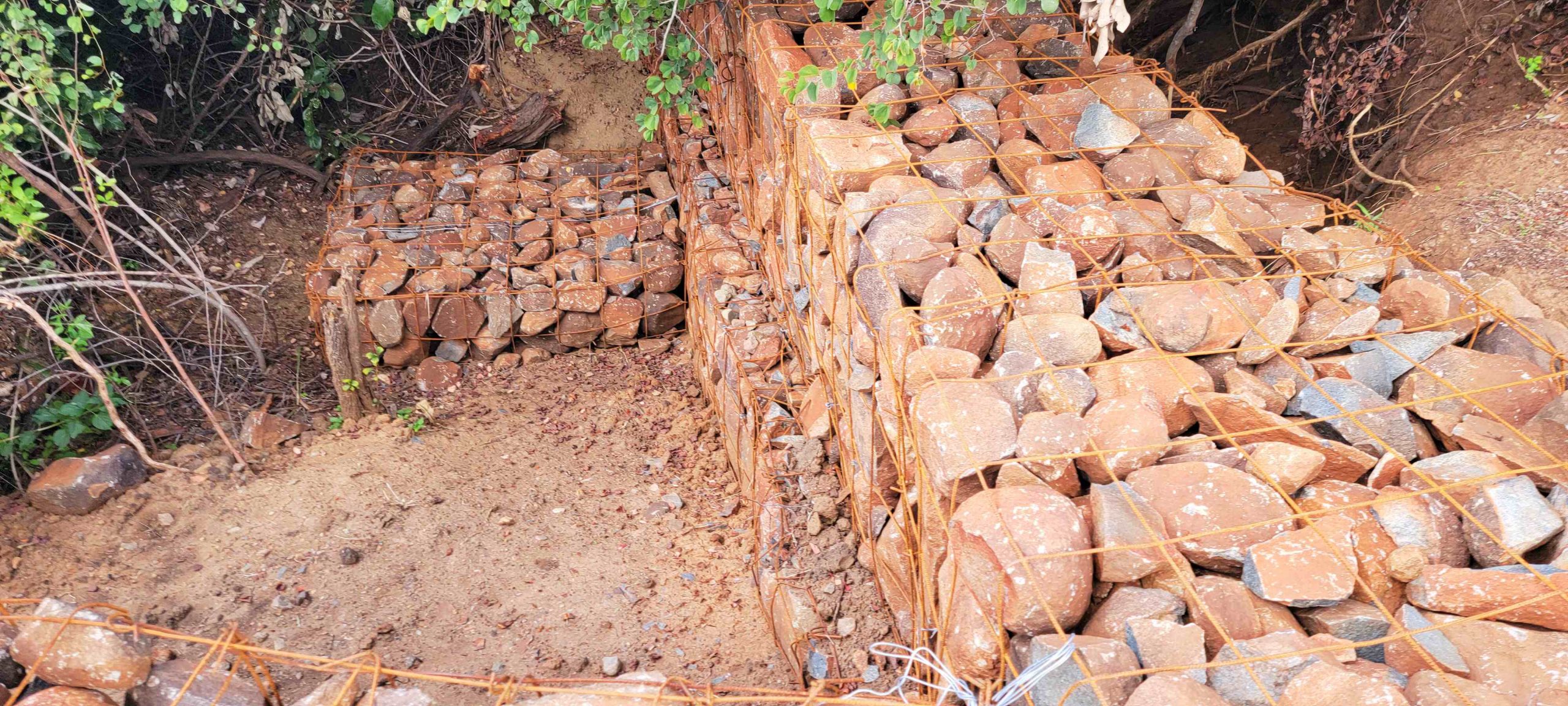
The project seeks to focus towards the improvement and management of the Hangani watershed and landscape area in ward 11. It focuses on improving access to water for communities along its catchment and major rivers including Nyanyadzi and Odzi rivers whose waters are used also for irrigation schemes. The project through watershed management enhances livelihood wins for the communities through fish farming, nutrition gardens serviced by water pipe schemes, apiculture.
Project Proposed Actions. An innovative approach to landscape resilience building
- TRAILS TO THE SOURCE. This is a concept developed by the Chimanimani Biosphere Reserve Trust which involves rural communities and stakeholders in tracing the situation along major rivers within Chimanimani District from the point where the river leaves the district boundaries to its source
- THE NYANYAZI TRAIL. Following the Nyanyadzi River from its confluence with the Odzi river to its source in Hangani (ward 11); monitoring and learning visits, water use projects, nature based solutions to stream bank cultivation, culture based approaches to climate resilience building, sustainable watershed management and landscape engineering, innovative documentation.
- Young and older people assess the effects of siltation (caused by stream bank cultivation) along the river course, identify breeding grounds for various birds and reptiles. They learn about the effects of deforestation on soil erosion and the impact of mining on the quality of water. They explore the cultural significance of water and water beings/aquatic life forms. They understand how conflicts between water users develop over time and find solutions to these. They make connections between species in wetlands and dryer areas and make plans for irrigating crops based on the specific crop water requirements/profiles.