VSO Project Update:🌱𝐁𝐮𝐢𝐥𝐝𝐢𝐧𝐠 𝐂𝐥𝐢𝐦𝐚𝐭𝐞 𝐑𝐞𝐬𝐢𝐥𝐢𝐞𝐧𝐭 𝐂𝐨𝐦𝐦𝐮𝐧𝐢𝐭𝐢𝐞𝐬: 𝐒𝐇𝐀𝐒𝐇𝐄 𝐀𝐆𝐑𝐎𝐄𝐂𝐎𝐋𝐎𝐆𝐘 𝐒𝐂𝐇𝐎𝐎𝐋 𝐋𝐄𝐀𝐑𝐍𝐈𝐍𝐆 𝐄𝐗𝐂𝐇𝐀𝐍𝐆𝐄 𝐕𝐈𝐒𝐈𝐓
-
by
Tsuro Trust
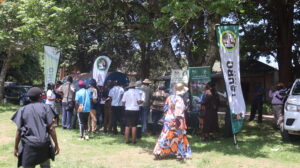
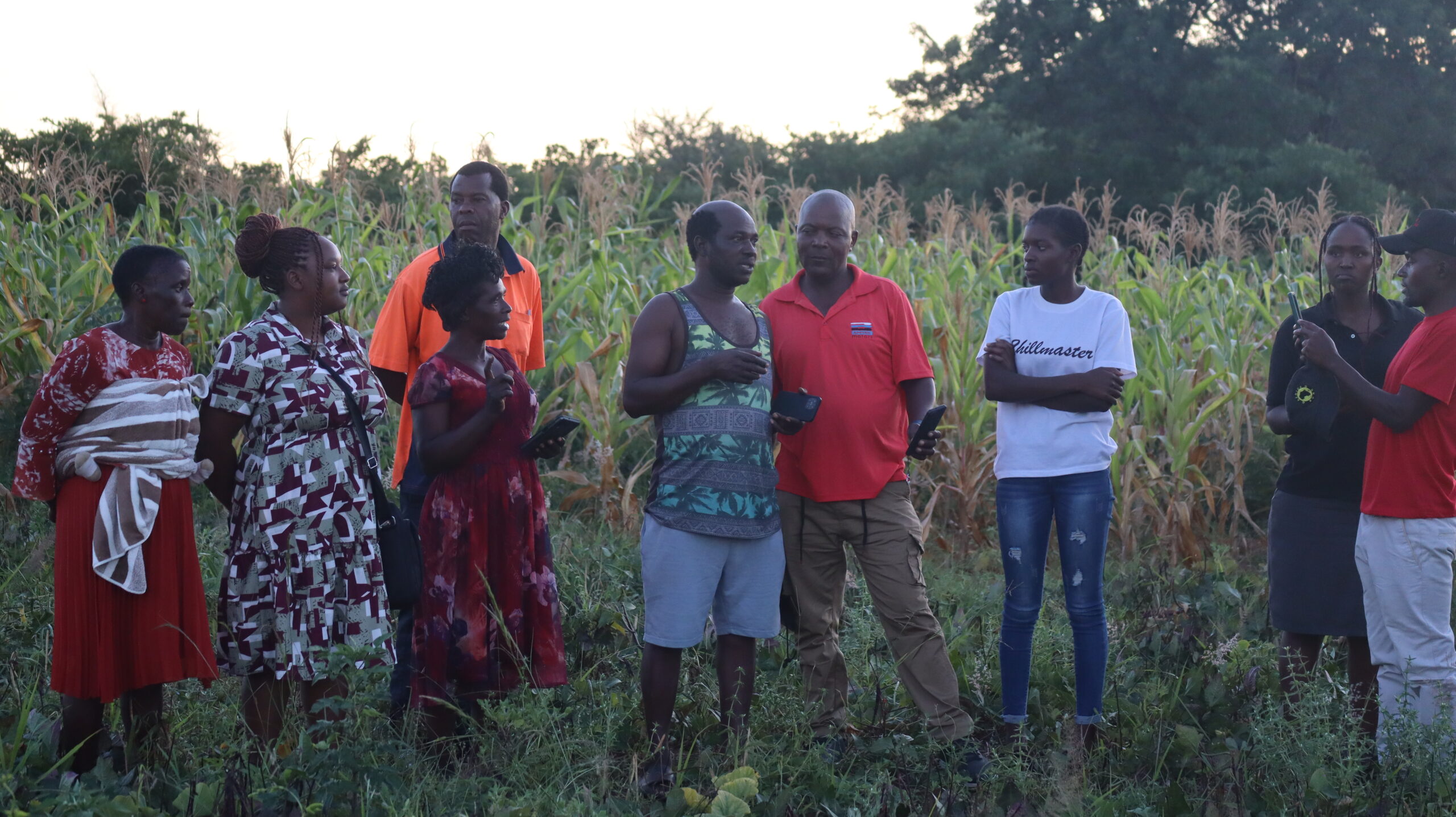
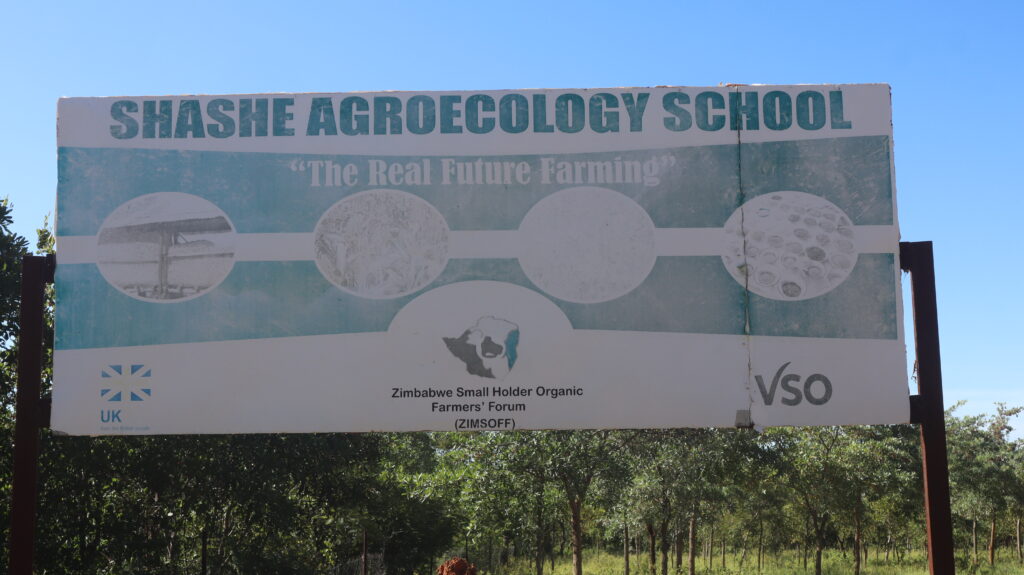
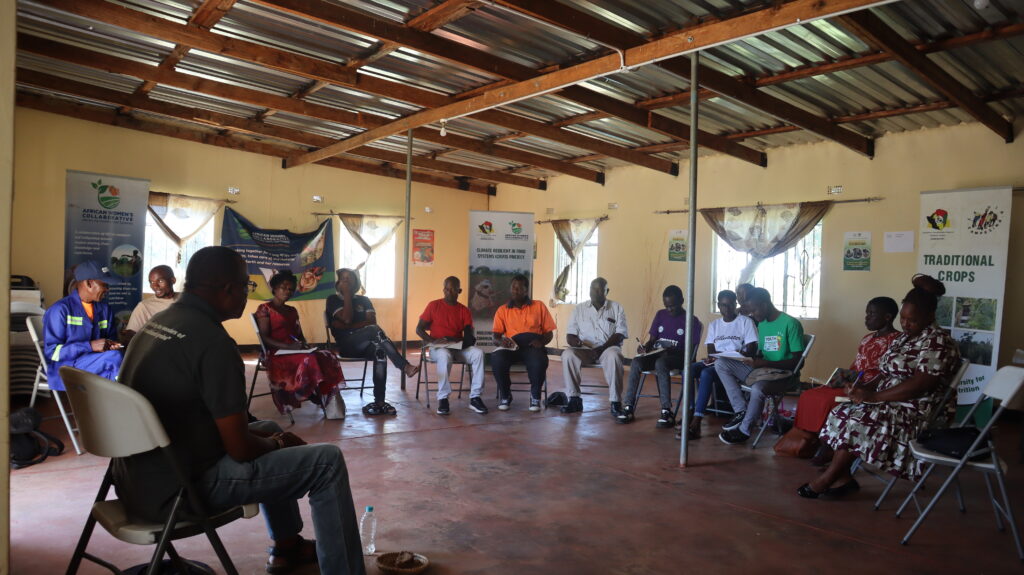
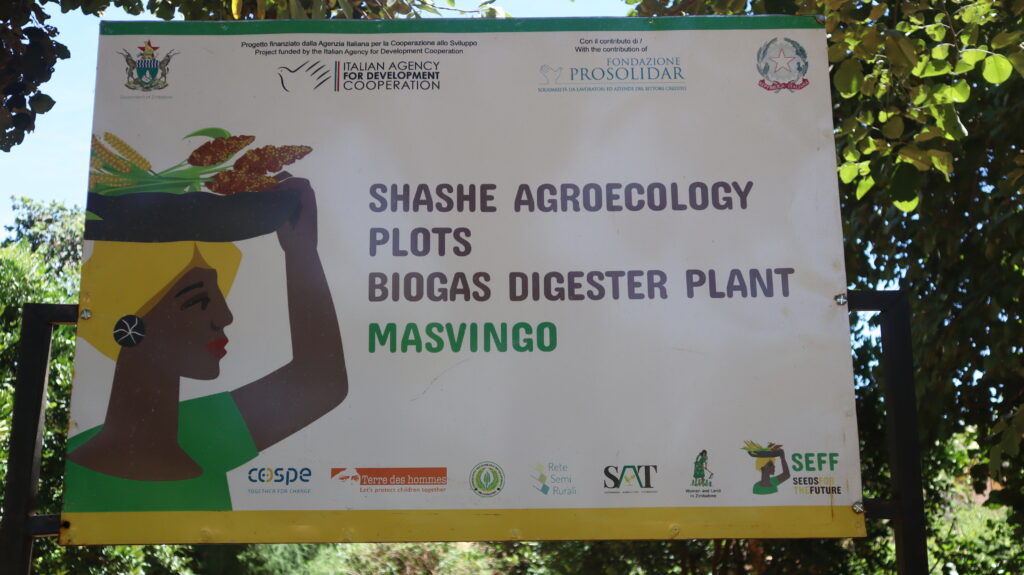
The Shashe Agroecology School recently hosted a practical learning exchange visit focused on strengthening climate resilience, seed sovereignty, and sustainable food systems through farmer-to-farmer knowledge sharing. The exchange was conducted under the Resilient Livelihood Regional Initiative (ACTIVE – Active Citizenship Through Inclusive Volunteering and Empowerment) and highlighted agroecological innovations tailored to semi-arid Region 4 conditions.
.
.
.
.
The programme featured structured visits to four practising homesteads:
Mpofu Homestead
.
.
.
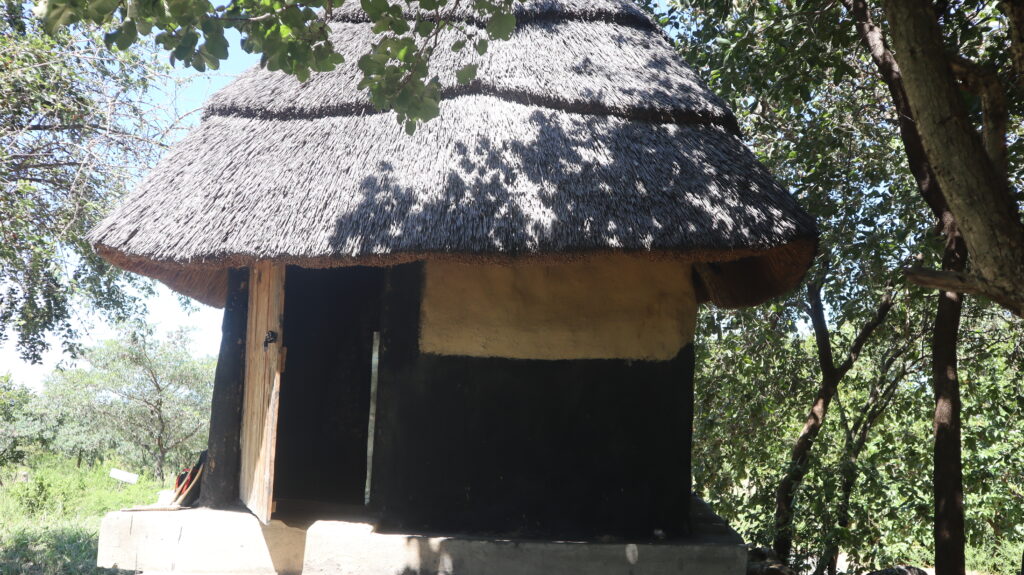
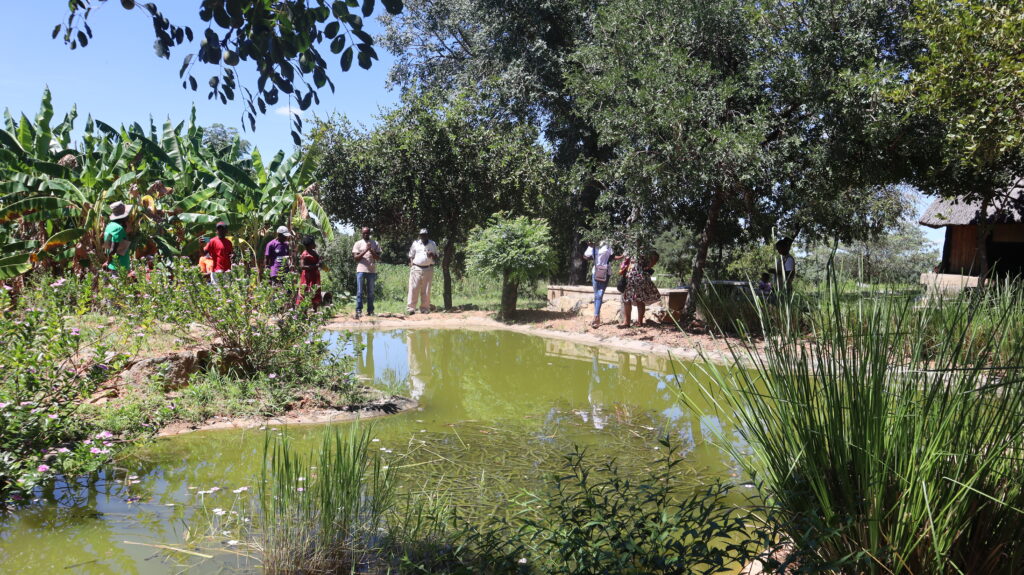
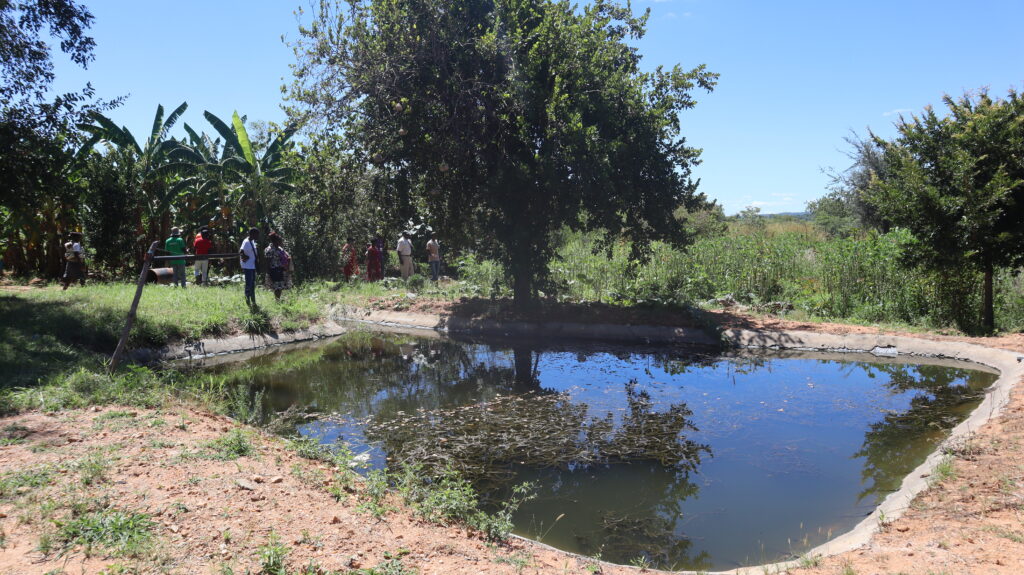
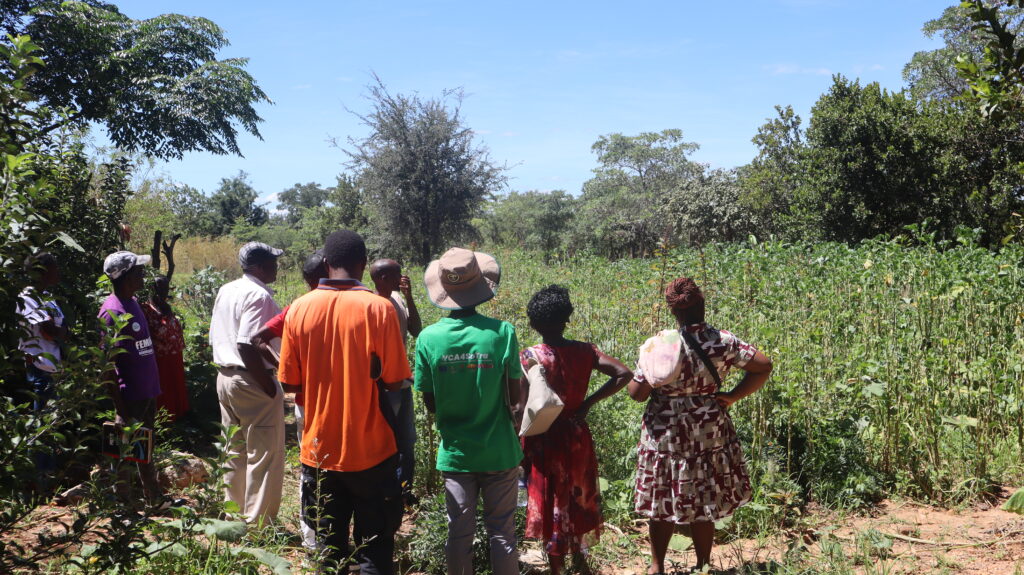
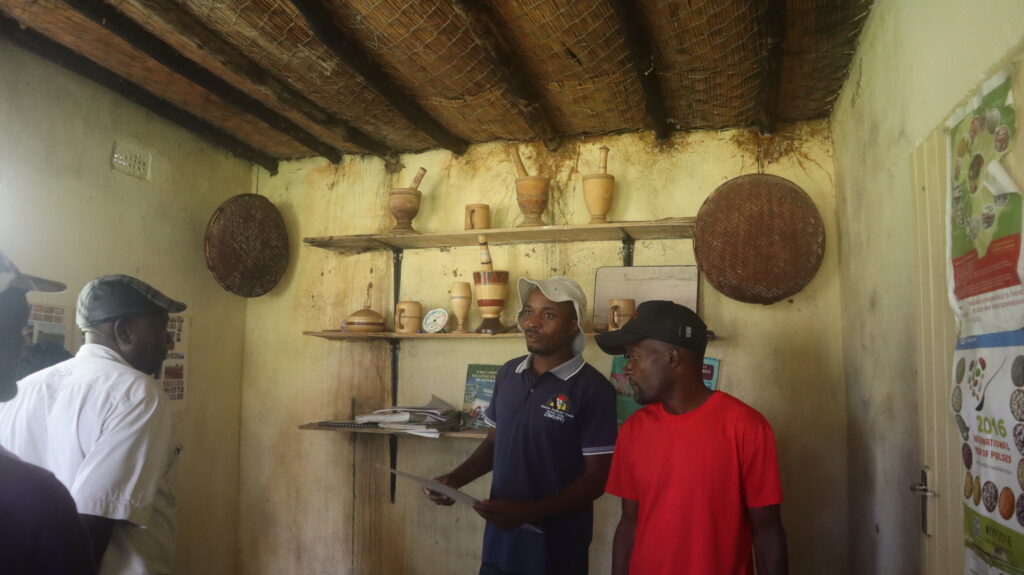
The homestead demonstrated a traditional seed bank constructed with locally available materials and systematic seed selection, treatment, and storage processes. Participants observed fish farming supported by organic feed systems, thermal and vermicomposting, indigenous tree conservation, medicinal plant utilisation, poultry production, a community grinding mill, and a biogas digester for household energy. Climate-smart tree planting techniques and manure-enriched planting pits were also showcased.
Mudzingwa Homestead
.
.
.
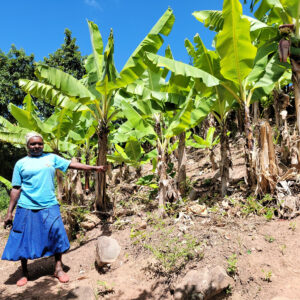
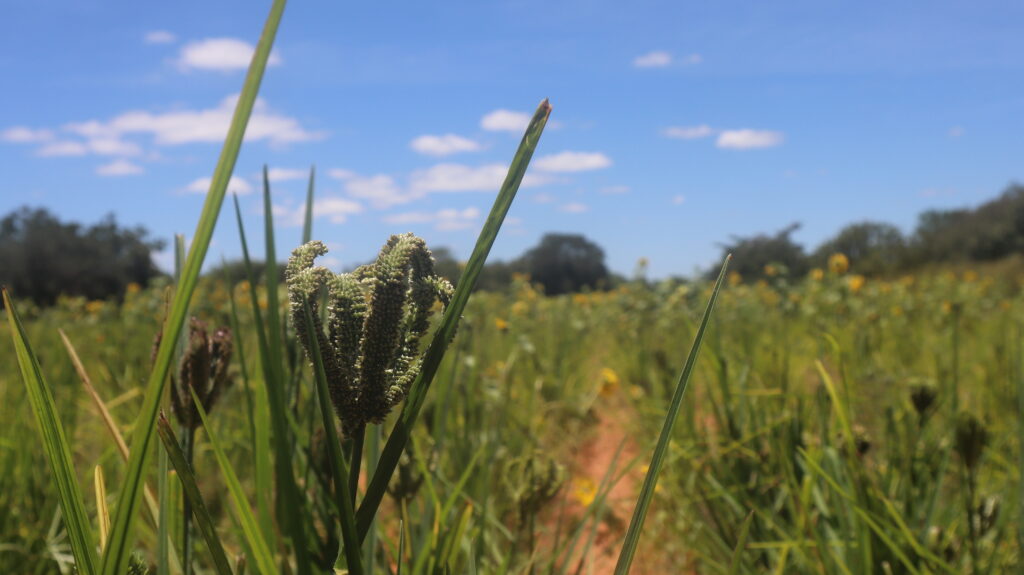
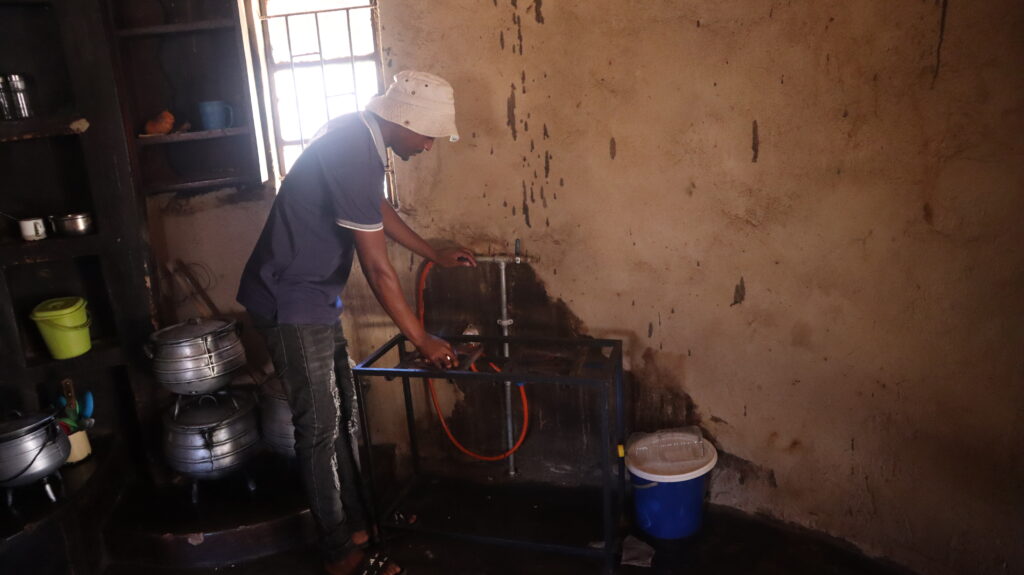
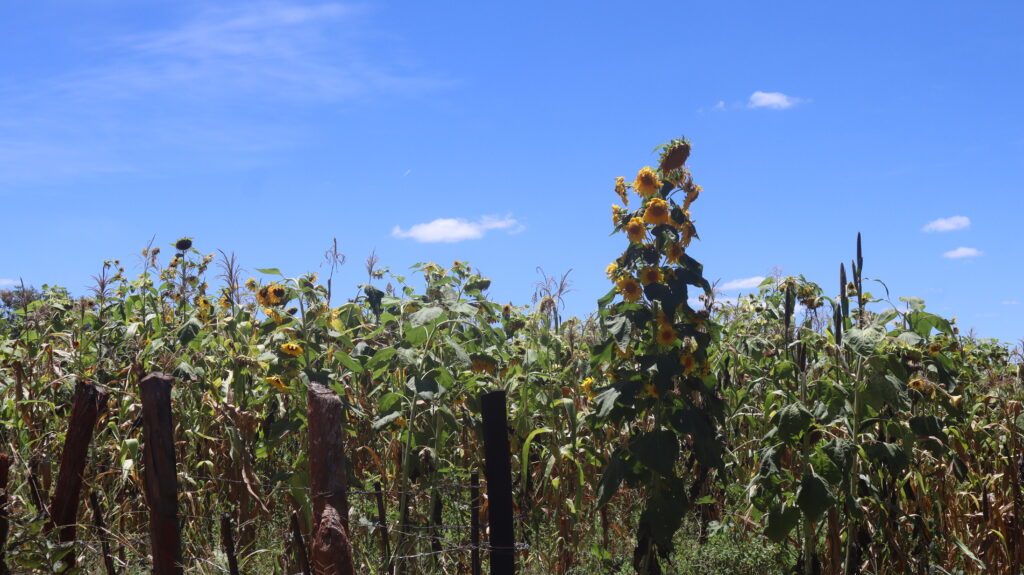
Led by Tanaka Mudzingwa, this site highlighted diversified production across 13 hectares under intercropping systems (maize, sorghum, millet, rapoko, sunflower). The homestead maintains distinct food and seed banks supported by a seed heritage archive with records dating back to 2001. Thirteen earth dams, water harvesting systems, fish ponds, livestock integration, and biogas technology demonstrated strong water governance and renewable energy application.
Mutsenhure Homestead
.
.
.
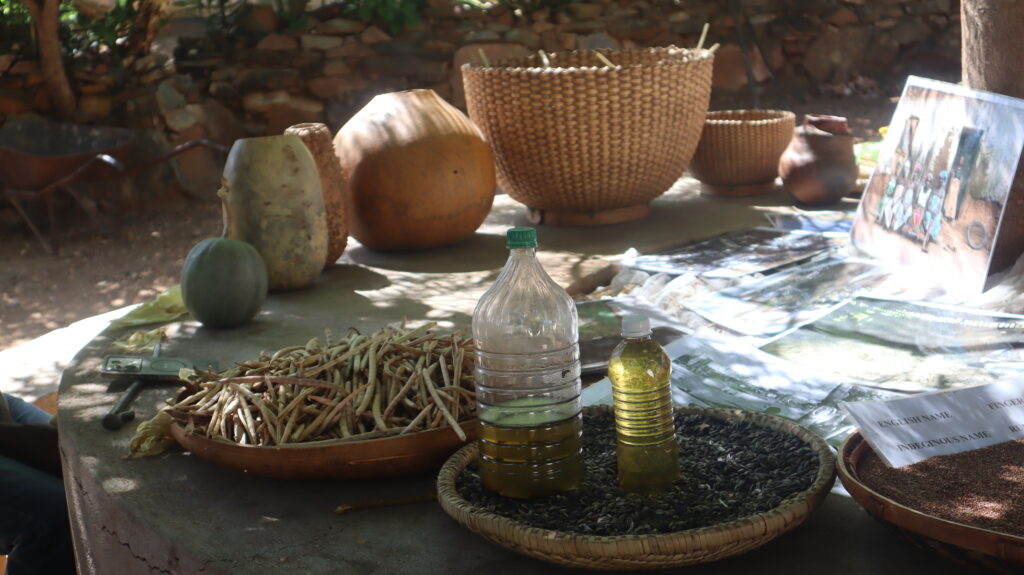
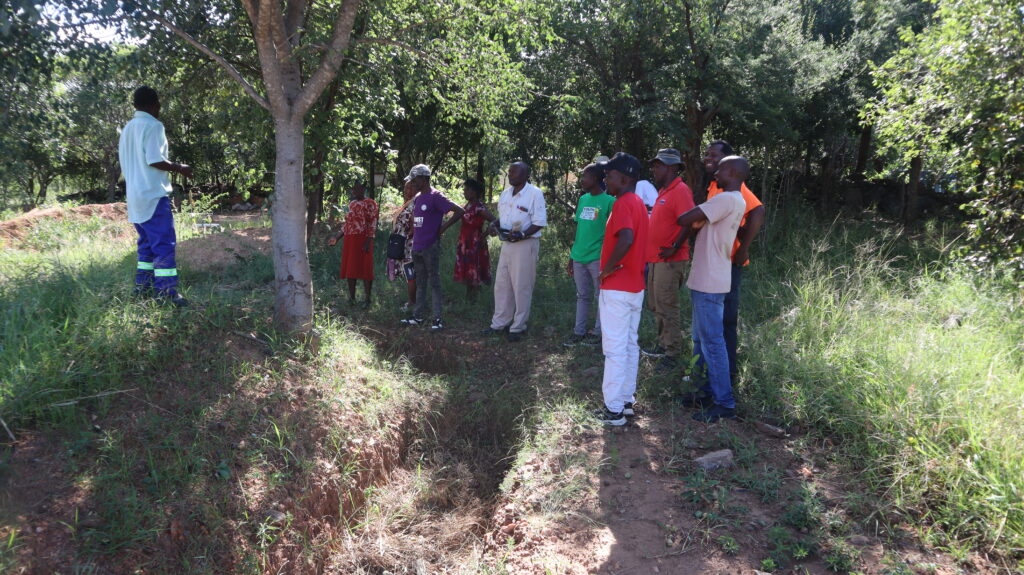
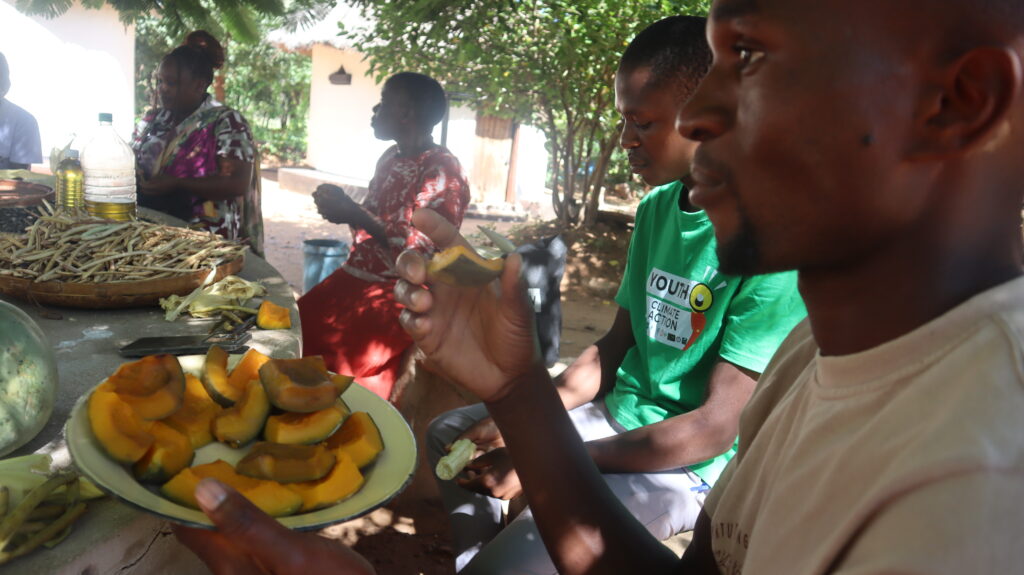
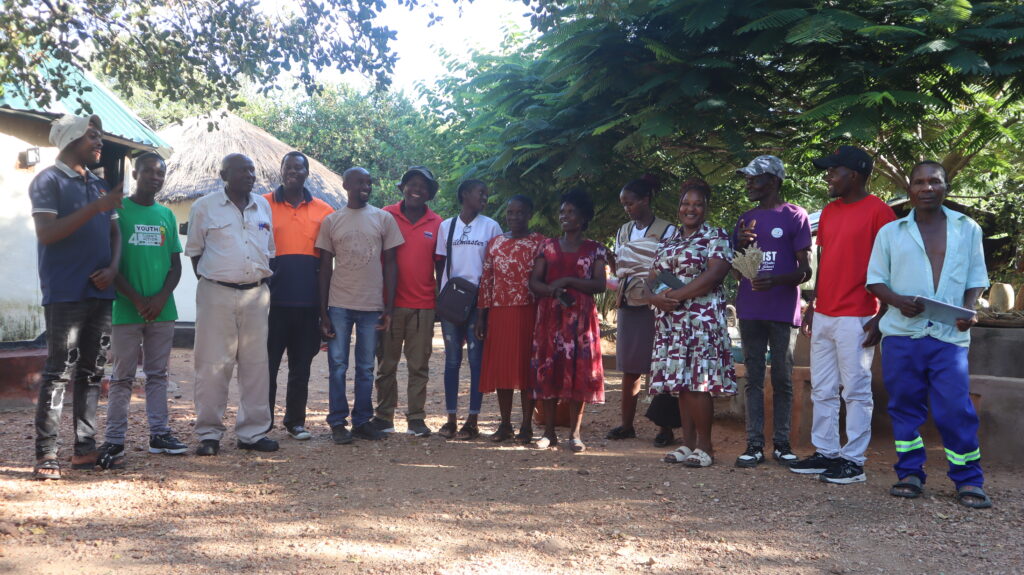
Mr. Mutsenhure presented soil and water conservation infrastructure, including standard and dead-level contours directing water into productive fields. The visit included traditional seed displays, indigenous food tasting, sunflower oil pressing demonstrations, and local value addition practices that enhance nutrition and income generation.
Mubaiwa Homestead
.
.
.
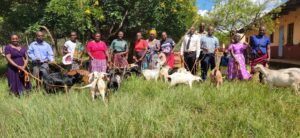
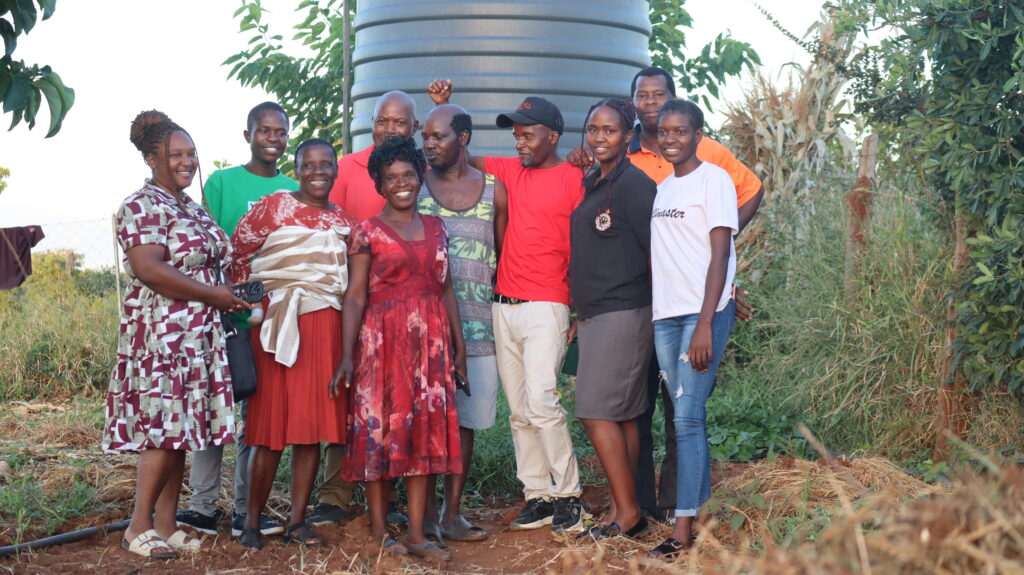
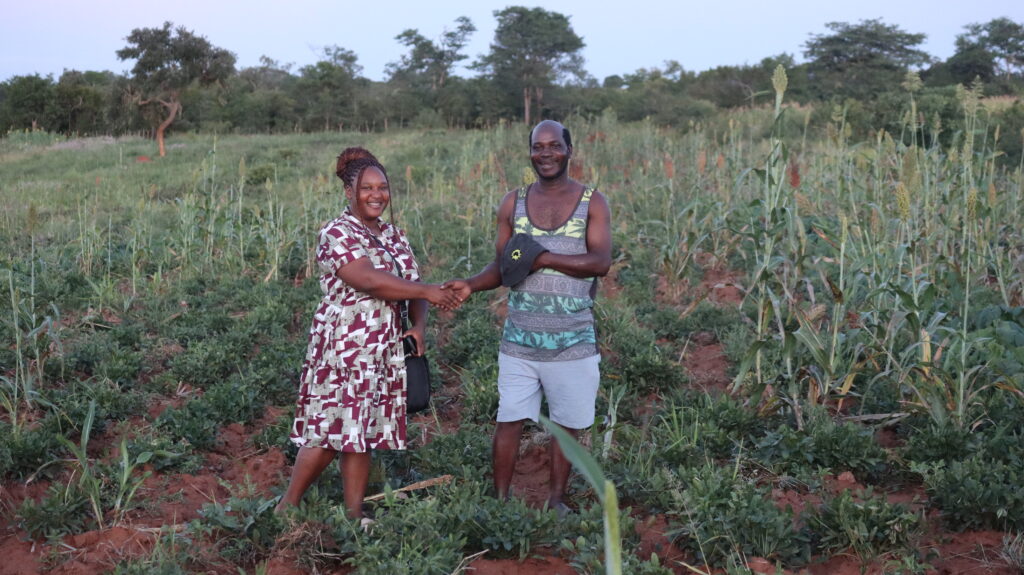
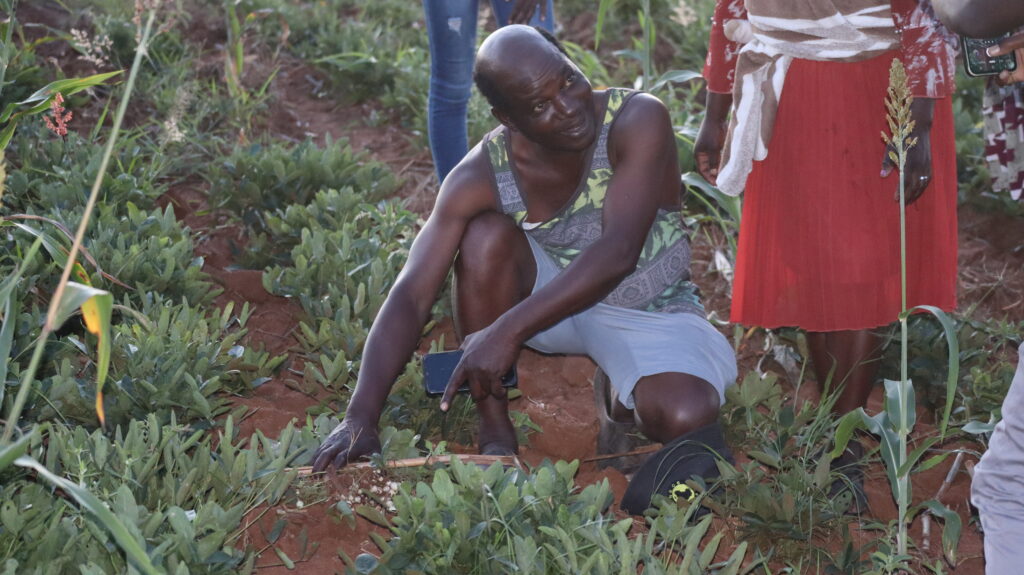
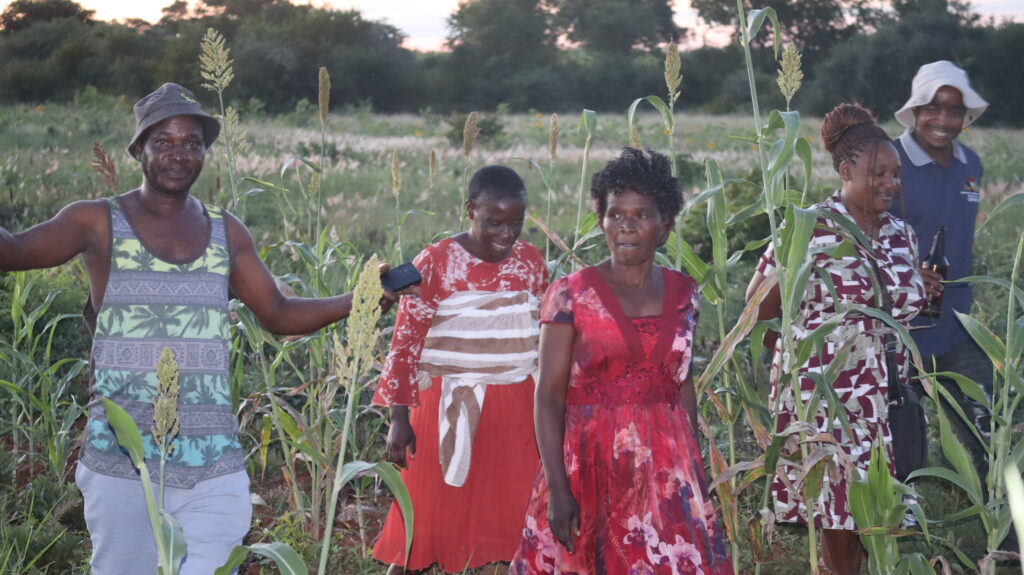
The exchange also included a visit to Mr. Mubaiwa, widely known as Sabhuku Vharazipi, who is an active Shashe community farmer practising agroecology. His homestead demonstrated integrated crop-livestock systems, organic soil fertility management, composting, water harvesting, indigenous seed preservation, and diversified production models designed to enhance resilience and self-reliance.
Key Observations Made
- Strong emphasis on seed sovereignty, including structured seed banks and long-term preservation systems.
- Practical water harvesting and earth dam systems supporting irrigation and aquaculture in drought-prone environments.
- High levels of crop diversification and intercropping, reducing production risk.
- Effective integration of livestock, crops, composting, and renewable energy within homestead systems.
- Adoption of biogas technology to promote sustainable household energy use.
- Preservation and promotion of indigenous crops, medicinal plants, and traditional knowledge systems.
- Clear demonstration of farmer-led innovation and horizontal learning as drivers of community resilience.
The exchange reaffirmed agroecology as a viable pathway for enhancing food sovereignty, ecological sustainability, and climate adaptation through locally driven solutions and community leadership.

P𝐡o𝐭o c𝐫e𝐝i𝐭: E𝐦m𝐚n𝐮e𝐥 𝐙i𝐲o𝐦o